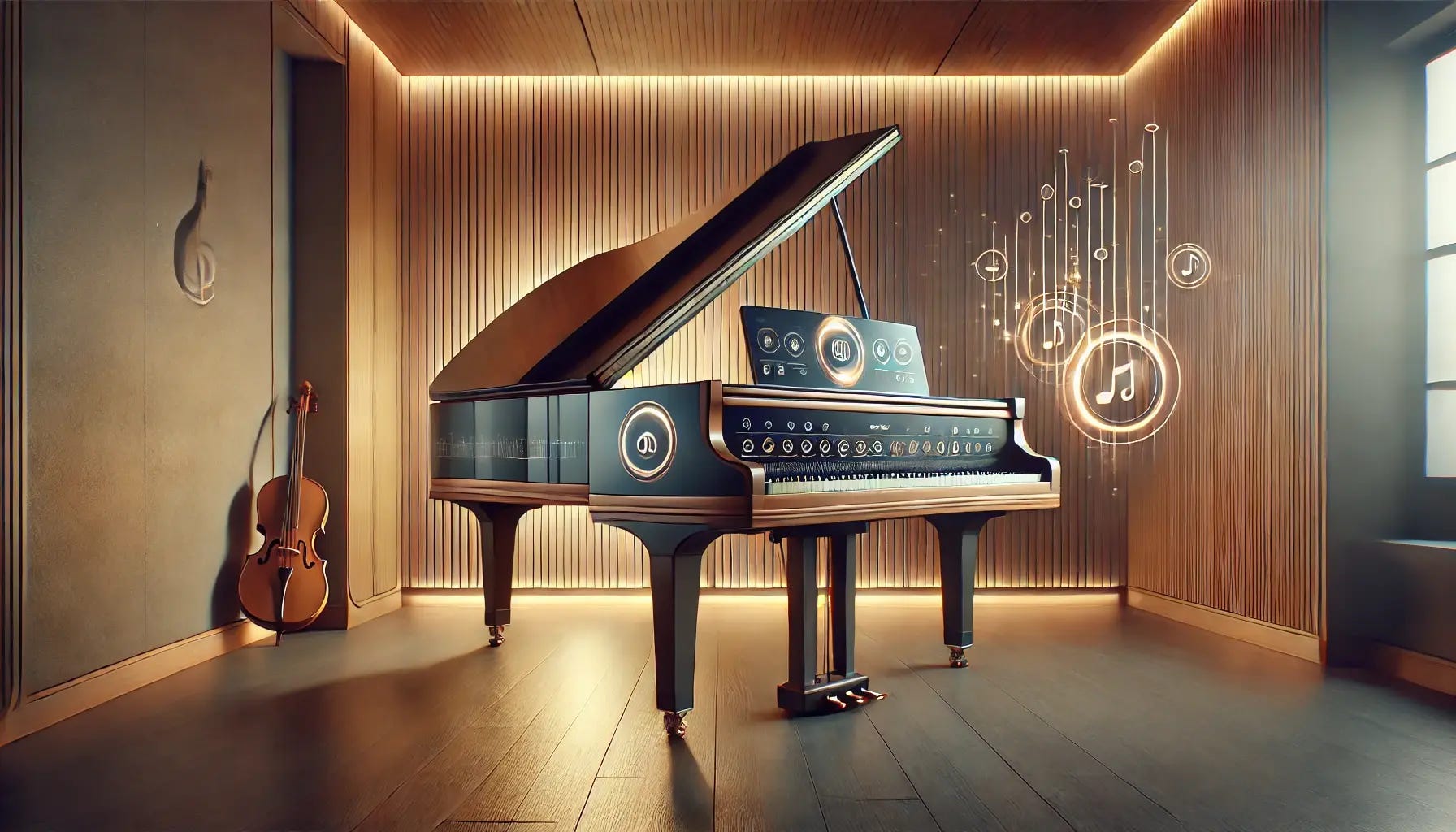
The world of piano music has always been a space of innovation and tradition coexisting in harmony. From the early days of the fortepiano to the grand concert pianos of today, each iteration has sought to enhance the expressiveness, durability, and accessibility of this beloved instrument.
Now, as we stand on the brink of a new era, technology is radically redefining how we create, learn, and experience piano music. This post explores the cutting-edge developments in technology that are transforming piano music and offering fresh possibilities for musicians and enthusiasts alike.
Digital Pianos and Virtual Instruments
One of the most significant technological advancements in recent years is the digital piano. Unlike traditional acoustic pianos, digital pianos require no tuning and are far more portable, making them an attractive option for casual players and professionals who need flexibility.
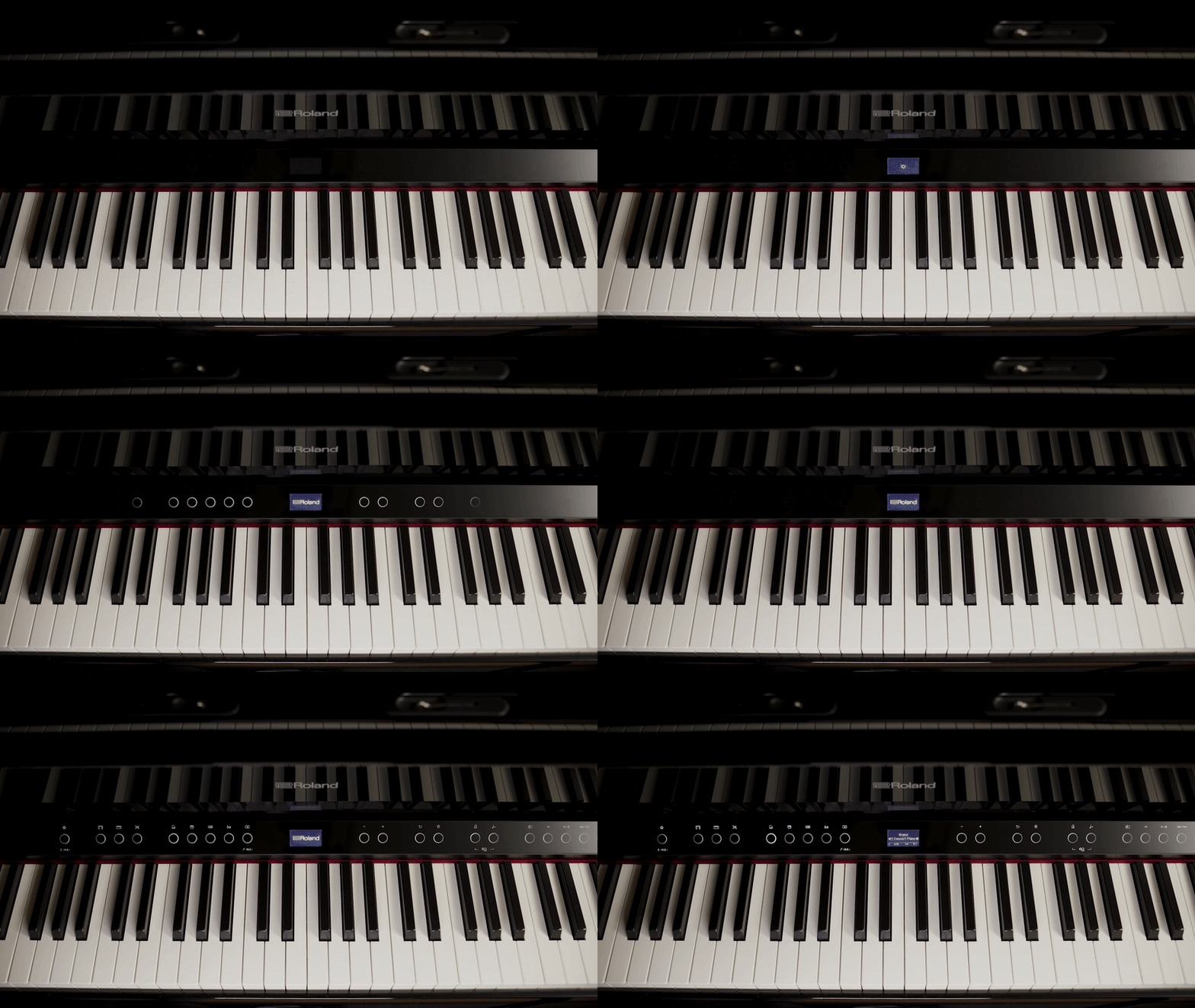
But beyond these conveniences, digital pianos harness sophisticated sound sampling technologies to replicate the rich timbre of acoustic instruments with remarkable authenticity.
Brands such as Yamaha, Roland, and Nord have crafted digital pianos with complex modeling algorithms that simulate every nuance of a grand piano’s sound. These innovations allow musicians to experience the dynamic range and acoustic presence of high-end pianos without the prohibitive cost or space requirements.
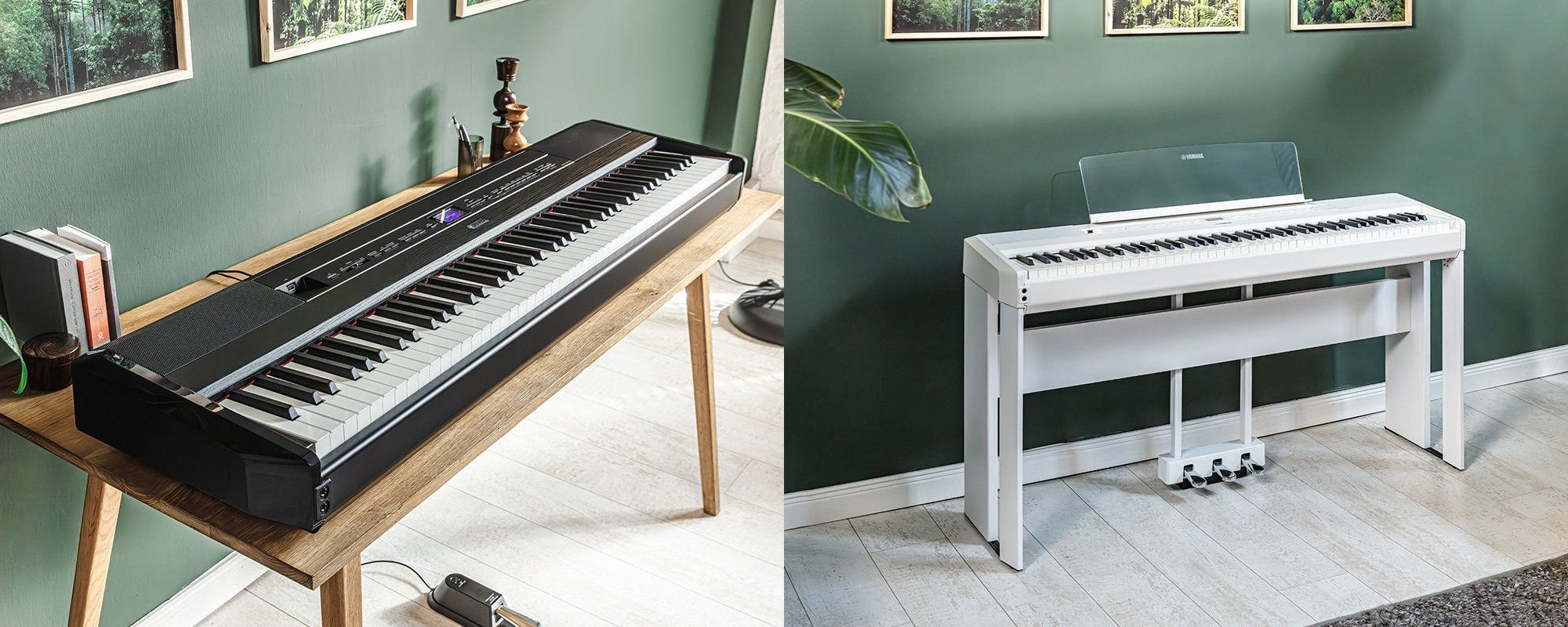
In addition to standalone digital pianos, software-based virtual instruments are gaining popularity. These allow musicians to access an extensive library of high-quality piano sounds directly from their computers, offering unprecedented flexibility for composers and producers working in digital audio workstations (DAWs).
The Rise of Smart Pianos
Smart piano technology is also revolutionizing how people learn and interact with music. These innovative instruments come equipped with sensors, interactive screens, and connectivity features that facilitate self-directed learning.
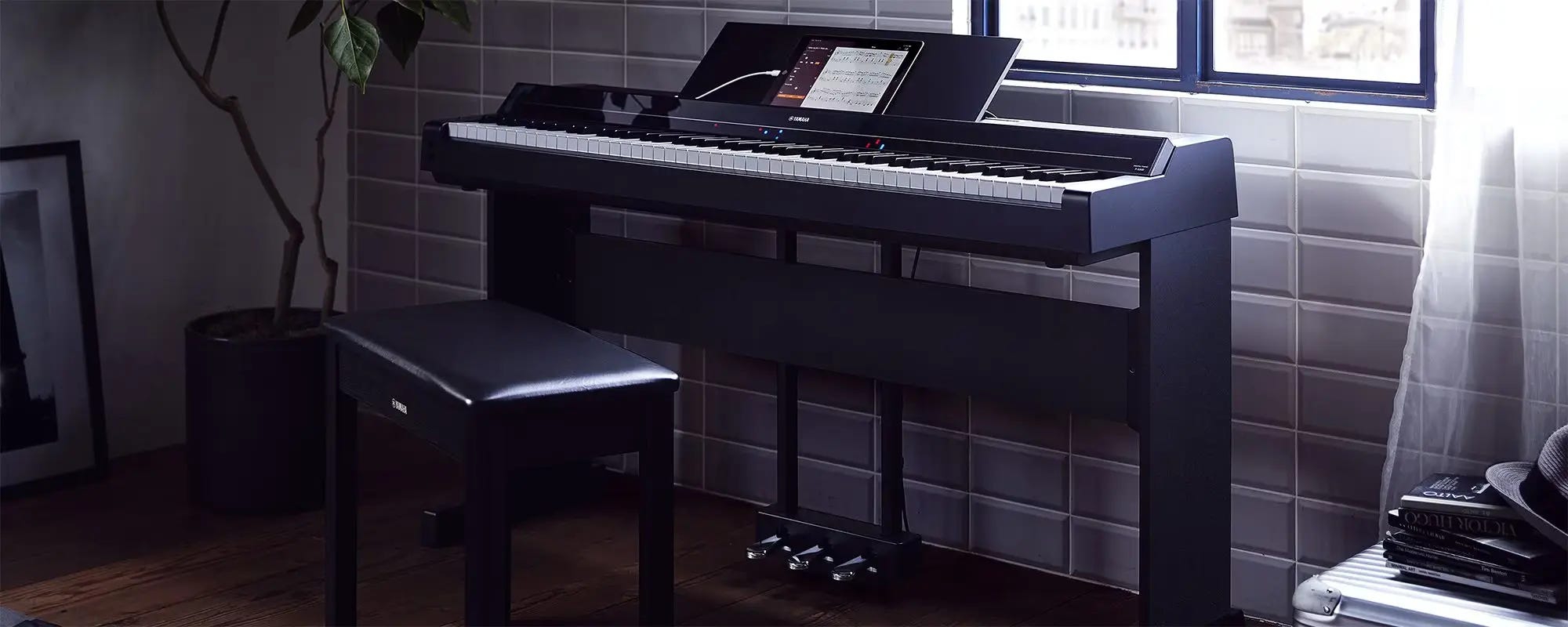
Smart pianos can guide beginners through lessons, track their progress, and provide real-time feedback on their playing technique.
Apps such as Simply Piano and Flowkey offer interactive sheet music and tutorials, allowing users to learn at their own pace. These platforms can connect directly to digital pianos, creating a seamless learning experience that adapts to individual needs and preferences.
The integration of artificial intelligence further personalizes learning, offering tailored exercises and piece recommendations based on a user’s skill level and interests.
Augmented Reality and Virtual Reality
Augmented Reality (AR) and Virtual Reality (VR) are poised to offer even more interactive and immersive experiences for piano learners and performers. AR apps can superimpose virtual elements, such as animated sheet music or instructional visuals, onto the physical world.
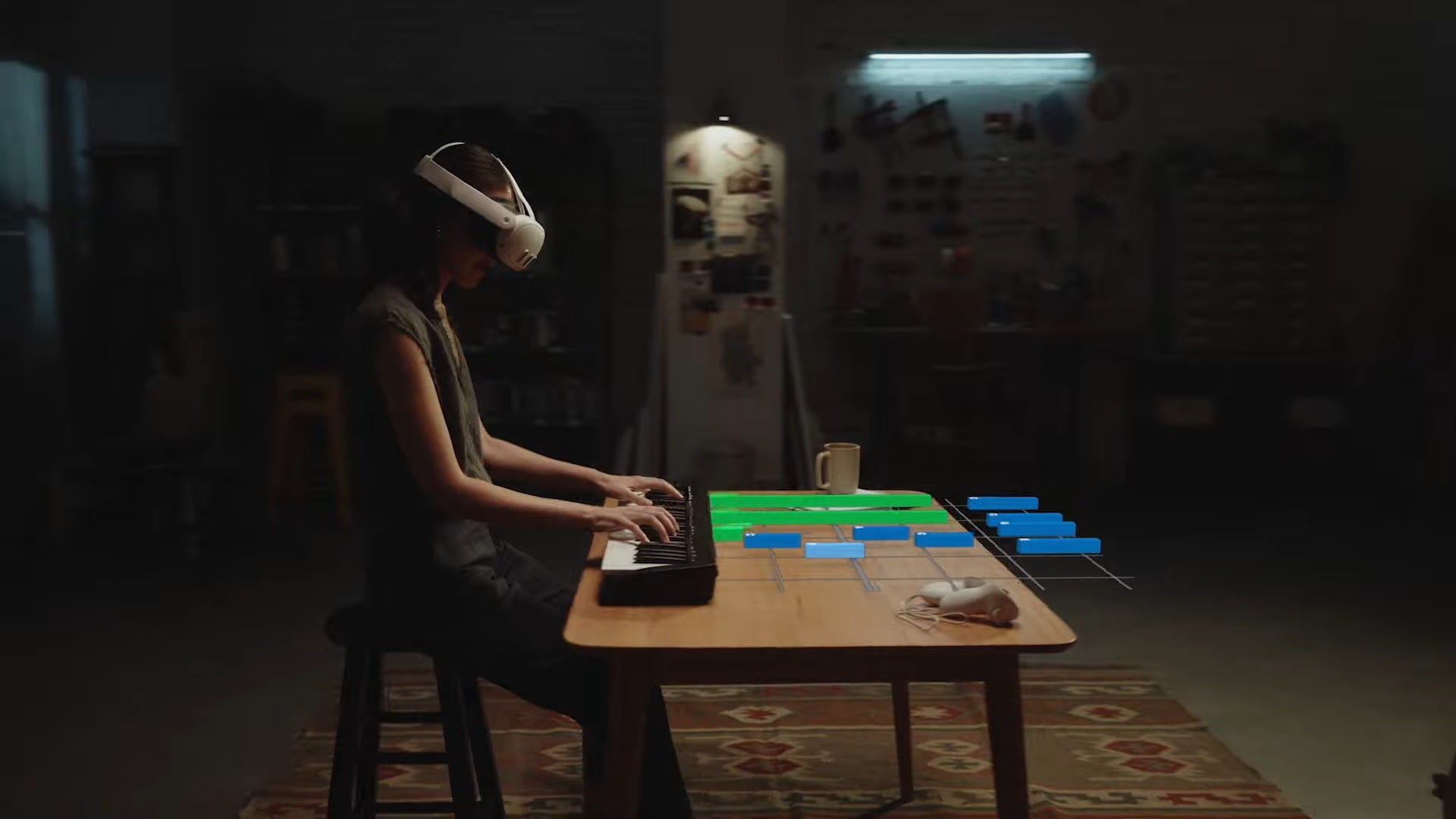
This capability can help learners visualize chord shapes, finger positions, and musical structures in real time, enhancing their comprehension and retention.
VR, on the other hand, opens up exciting possibilities for pianists to perform in virtual concert halls without leaving their homes. These digital environments can provide realistic acoustics and audience simulations, allowing musicians to practice performance skills and experiment with different stages and settings.
For audiences, VR can offer immersive concert experiences that bring them up close with performers, regardless of where they are physically located.
AI and Machine Learning in Composition and Performance
Artificial Intelligence (AI) and machine learning are rapidly being adopted in the field of music composition and performance. AI algorithms can analyze vast amounts of music data, identifying patterns and structures that inspire new compositions.
Tools like OpenAI’s MuseNet or AIVA (Artificial Intelligence Virtual Artist) use machine learning to create original music, offering composers a collaborative partner in the creative process.
In performance, AI can assist pianists by providing real-time accompaniment, adapting to the musician’s tempo and style, or offering dynamic analyses of performance techniques for educational purposes.
This technology holds the potential to democratize music creation, enabling composers and performers of all skill levels to explore complex compositions with greater ease.
Online Communities and Collaboration
The connectivity facilitated by the internet has also reshaped how pianists collaborate and share their work. Online platforms and social media allow musicians to connect with audiences and other musicians worldwide, breaking down geographic barriers and fostering creative exchange.
Websites like SoundCloud, YouTube, Instagram and TikTok serve as platforms for sharing performances, tutorials, and compositions, enabling musicians to build audiences and cultivate communities.

 Tiktok failed to load.
Enable 3rd party cookies or use another browser
Live streaming has gained popularity, allowing pianists to broadcast performances in real-time to global audiences, making concerts accessible to those who might not have the opportunity to attend in person.
Online collaborations have also become more prevalent, with musicians collaborating across borders and time zones, creating music collectively through digital means.
Sustainability and Accessibility
Technology is also contributing to sustainability and accessibility in the piano music world. Digital pianos consume less energy and require fewer resources than acoustic pianos, mitigate certain environmental impacts, and improve the instrument’s availability to a broader audience.
Additionally, digital and smart pianos can accommodate a range of accessibility needs, enabling visually or hearing-impaired individuals to engage with music more effectively through adaptive interfaces and applications.
Moreover, e-learning platforms democratize music education, making lessons accessible to people who may not have access to traditional piano teachers. This technological access helps nurture talent across diverse demographics, diversifying and enriching the global piano music community.
Embracing the Future
As technology continues to evolve, the landscape of piano music will likely become even more dynamic and innovative. While traditional aspects of the instrument remain cherished, these technological advancements present new pathways for creativity, performance, and learning that complement and enhance the time-honored art form of piano music.
By embracing these technologies, musicians and educators can explore uncharted territories of sound and expression while retaining the emotive core that makes piano music so beloved.
As we forge ahead, technology will undoubtedly play an integral role in shaping the future of piano music, continuing its rich legacy of innovation and artistic growth.
source https://danhon.substack.com/p/how-technology-is-shaping-the-future-of-piano




No comments:
Post a Comment