Pages

Wednesday, March 19, 2025

7 Best Piano Players in the World Today: A Symphony of Genius Across Genres

In an age where streaming algorithms dictate our playlists and viral moments fade faster than a pianissimo, the piano endures as a timeless instrument of human expression.

From concert halls to jazz clubs, a new generation of virtuosos—and a few enduring legends—are redefining mastery of the 88 keys. These artists don’t just play notes; they conjure worlds.

Here, we explore seven pianists whose artistry transcends technique, blending innovation, emotion, and cultural impact.


1. Yuja Wang: The Lightning in a Bottle

Style: Classical | Nationality: Chinese | Age: 38
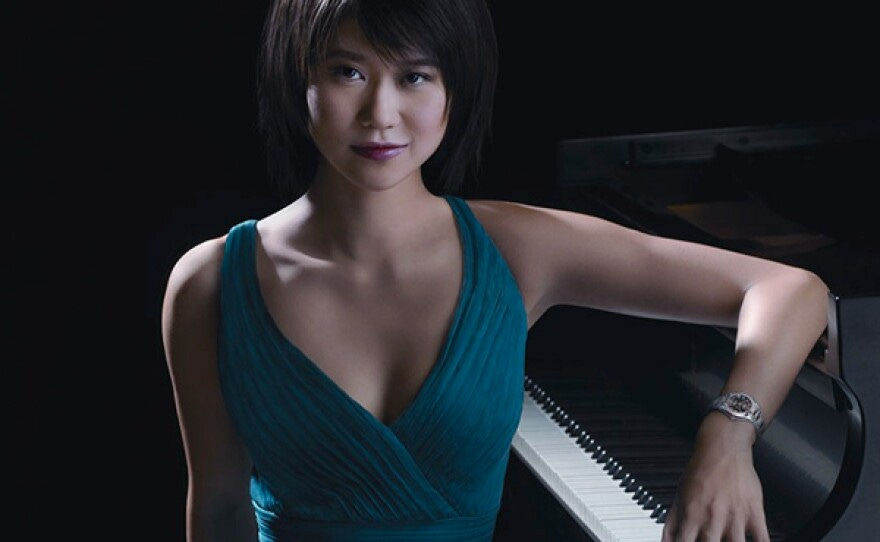
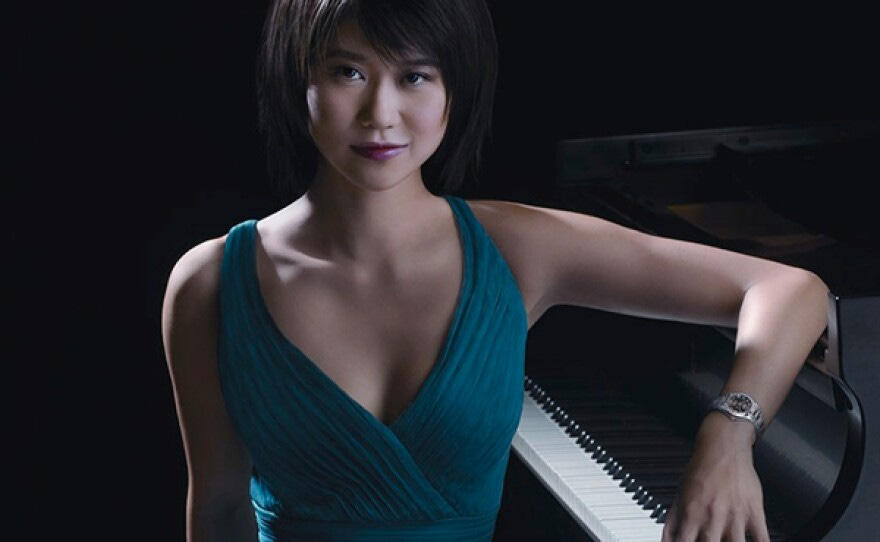
Yuja Wang doesn’t merely perform—she ignites. Known for her blistering tempos and audacious fashion (think neon gowns and stilettos that defy gravity), the Beijing-born phenom has become classical music’s most electrifying disruptor.

Her 2023 Carnegie Hall rendition of Rachmaninoff’s Piano Concerto No. 3 left critics scrambling for superlatives, with The New Yorker calling it “a daredevil act of musical alchemy.”

Why She Matters:

  • Speed and Precision: Wang’s hands move with the ferocity of a storm, yet her phrasing retains poetic nuance.

  • Cultural Bridge: She collaborates with DJs and composers like Teddy Abrams, fusing classical rigor with modern beats.

  • Quotable: “I want people to feel the danger in the music,” she told Vogue in 2022. “Like walking a tightrope without a net.”

Why She Stands Out: Wang’s fearless reinterpretations of classics, like her haunting Rachmaninoff Piano Concerto No. 3, prove that classical music can be both timeless and thrillingly modern.

Support my work by subscribing to my newsletter for free.


2. Lang Lang: The Global Ambassador

Style: Classical | Nationality: Chinese | Age: 42
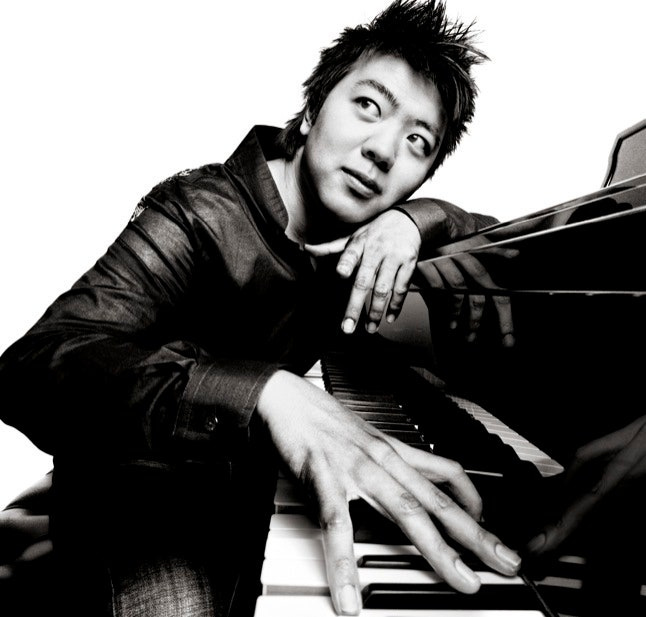
Lang Lang is to classical piano what Taylor Swift is to pop: a crossover icon. With a grin as broad as his arpeggios, he’s played for presidents, Olympic crowds, and 10-year-olds discovering Bach via YouTube.

His 2021 memoir, Playing With Flying Keys, reveals a journey from prodigy (he entered Beijing’s conservatory at 9) to philanthropist, via his foundation training 40 million young pianists worldwide.

Why He Matters:

  • Democratizing Classics: His TikTok series, #LangLangLessons, breaks down Beethoven for Gen Z.

  • Unexpected Collabs: See his 2022 team-up with electronic duo Disclosure, reimagining Debussy’s Clair de Lune as a synth-laden reverie.

  • Quotable: “Music isn’t a museum,” he insists. “It’s a living conversation.”

Why He Stands Out: Lang Lang’s infectious energy and commitment to music education (via the Lang Lang International Music Foundation) inspire a new generation of pianists.


3. Martha Argerich: The Untamed Force

Style: Classical | Nationality: Argentine-Swiss | Age: 82
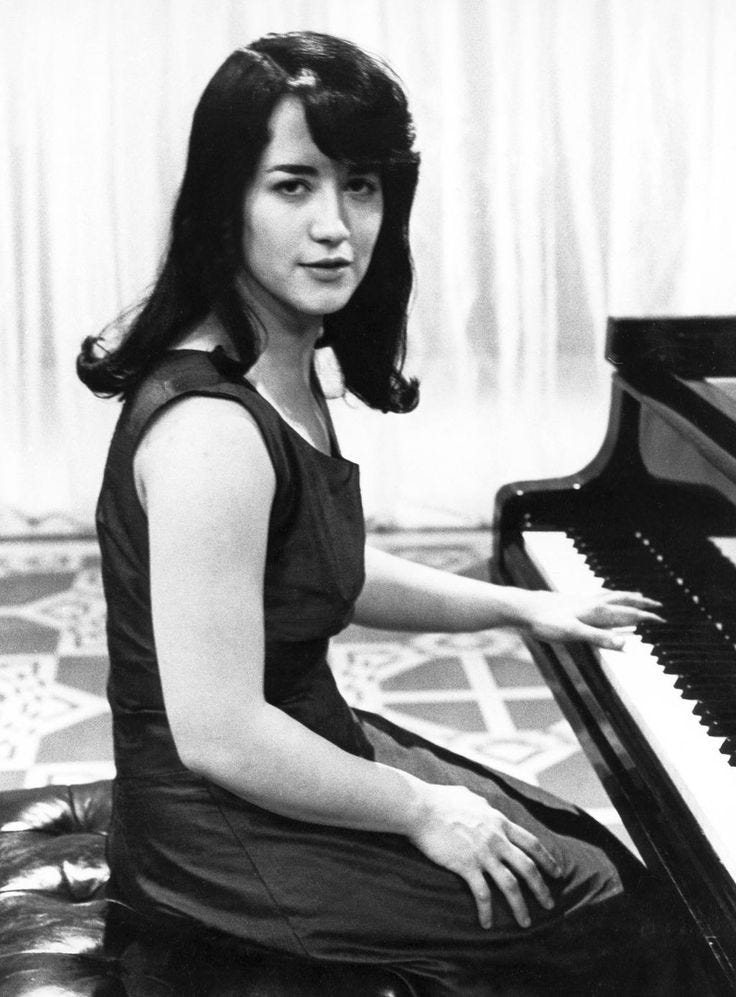
Martha Argerich is the pianistic equivalent of a wildfire: unpredictable, mesmerizing, and impossible to contain. Since her 1965 Chopin Competition win, the Buenos Aires-born legend has avoided solo recitals (“Too lonely,” she quips) but thrives in duels with orchestras.

Her 2022 performance of Prokofiev’s Piano Concerto No. 3 with the Berlin Philharmonic—a piece she’s played for 60 years—was a masterclass in reinvention.

Why She Matters:

  • Collaborative Genius: Her chamber work with cellist Mischa Maisky and pianist Daniel Barenboim is the stuff of legend.

  • Mentorship: Protégés like Khatia Buniatishvili credit her for “teaching us to risk everything.”

Why She Stands Out: Argerich’s playing is a force of nature—untamed, spontaneous, and deeply human.


4. Daniil Trifonov: The Poet-Philosopher

Style: Classical | Nationality: Russian | Age: 34
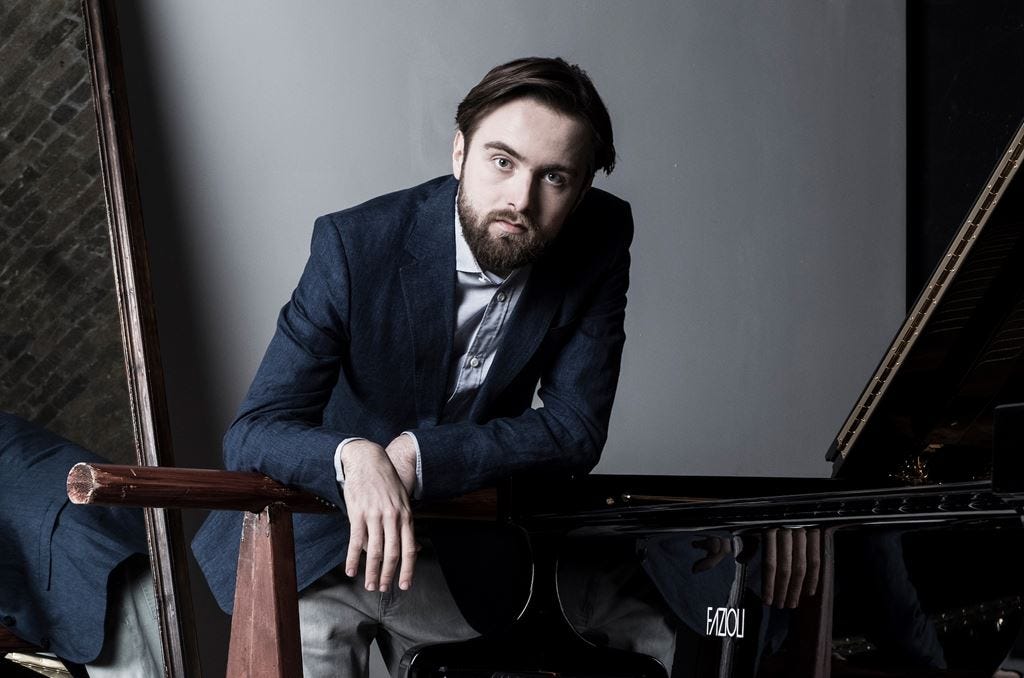
Daniil Trifonov’s playing is a whisper and a roar. The soft-spoken virtuoso, who fled Russia in 2022 citing anti-war principles, channels his displacement into achingly personal interpretations.

His 2023 tour of Chopin’s Nocturnes—performed in dimmed theaters, lit only by a single lamp—felt less like a recital than a séance.

Why He Matters:

  • Intellectual Depth: His album Silver Age (Decca, 2021) explores Scriabin and Prokofiev through a postmodern lens.

  • Original Compositions: His Piano Concerto in E-flat Minor premiered at Carnegie Hall to raves.

Quotable: “Every note is a question,” he told The Guardian. “I’m just searching for answers.”

Why He Stands Out: Trifonov’s ability to balance complexity with tenderness makes even the most demanding pieces feel effortless.


5. Hiromi Uehara: The Jazz Prodigy

Style: Jazz Fusion | Nationality: Japanese | Age: 45
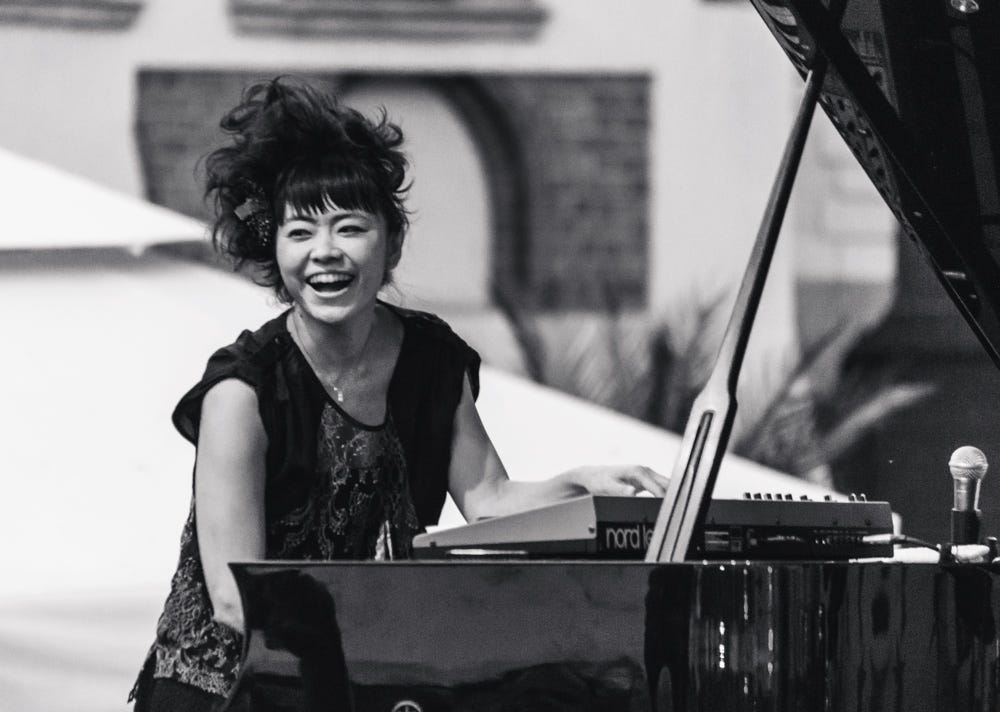
Hiromi’s fingers are a blur of contradictions: jazz improvisation meets math-rock precision, all delivered with the glee of a child unleashed in a candy store.

Her 2023 album Sonicwonder—a frenetic dialogue with her band, The Sonicwonder Quartet—cements her as jazz’s most irrepressible innovator.

Why She Matters:

  • Genre Alchemy: Her cover of Queen’s Bohemian Rhapsody morphs opera into a 10-minute jazz odyssey.

  • Live Wire Energy: Watch her 2022 Montreux Jazz Festival set, where she leapt mid-solo to adjust a bandmate’s mic.

Quotable: “I don’t want boundaries. I want explosions.”


6. Brad Mehldau: The Jazz Intellectual

Style: Jazz | Nationality: American | Age: 54
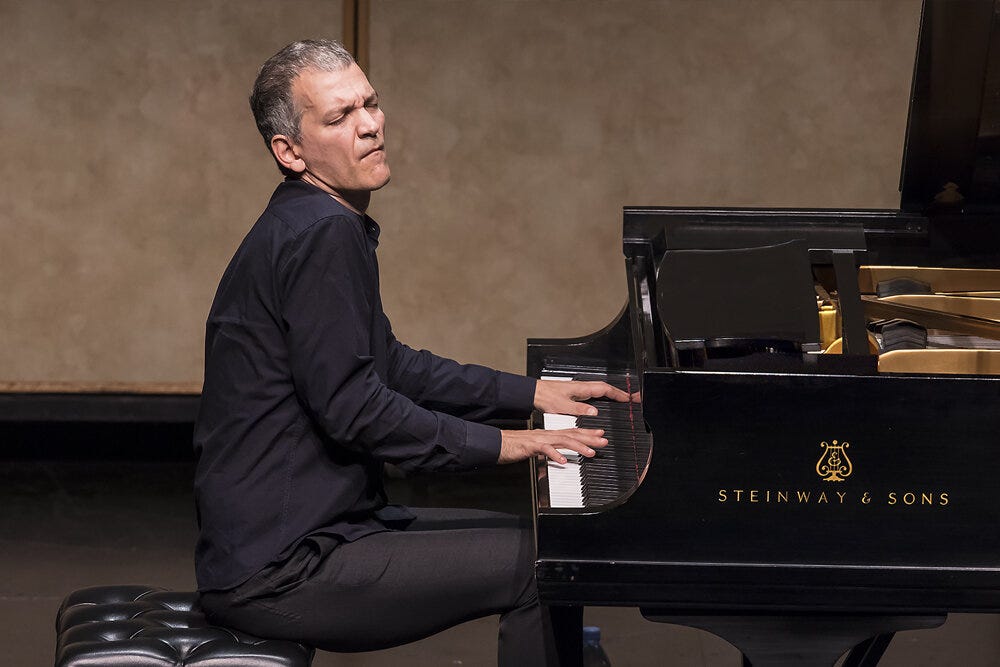
Brad Mehldau is jazz’s answer to Proust: introspective, labyrinthine, and obsessed with memory.

His 2022 Suite: April 2020—composed during lockdown—transforms mundane moments (a walk, a Zoom call) into poignant meditations.

Why He Matters:

  • Literary Inspirations: His Finding Gabriel (2019) draws on Biblical texts and James Baldwin.

  • Crossover Appeal: Collaborations with Jonny Greenwood (Radiohead) and Renée Fleming blur high and low art.

Why He Stands Out: Mehldau’s music is a labyrinth of intellect and feeling, rewarding deep listening.


7. Víkingur Ólafsson: The Minimalist Maverick

Style: Contemporary/Classical | Nationality: Icelandic | Age: 41
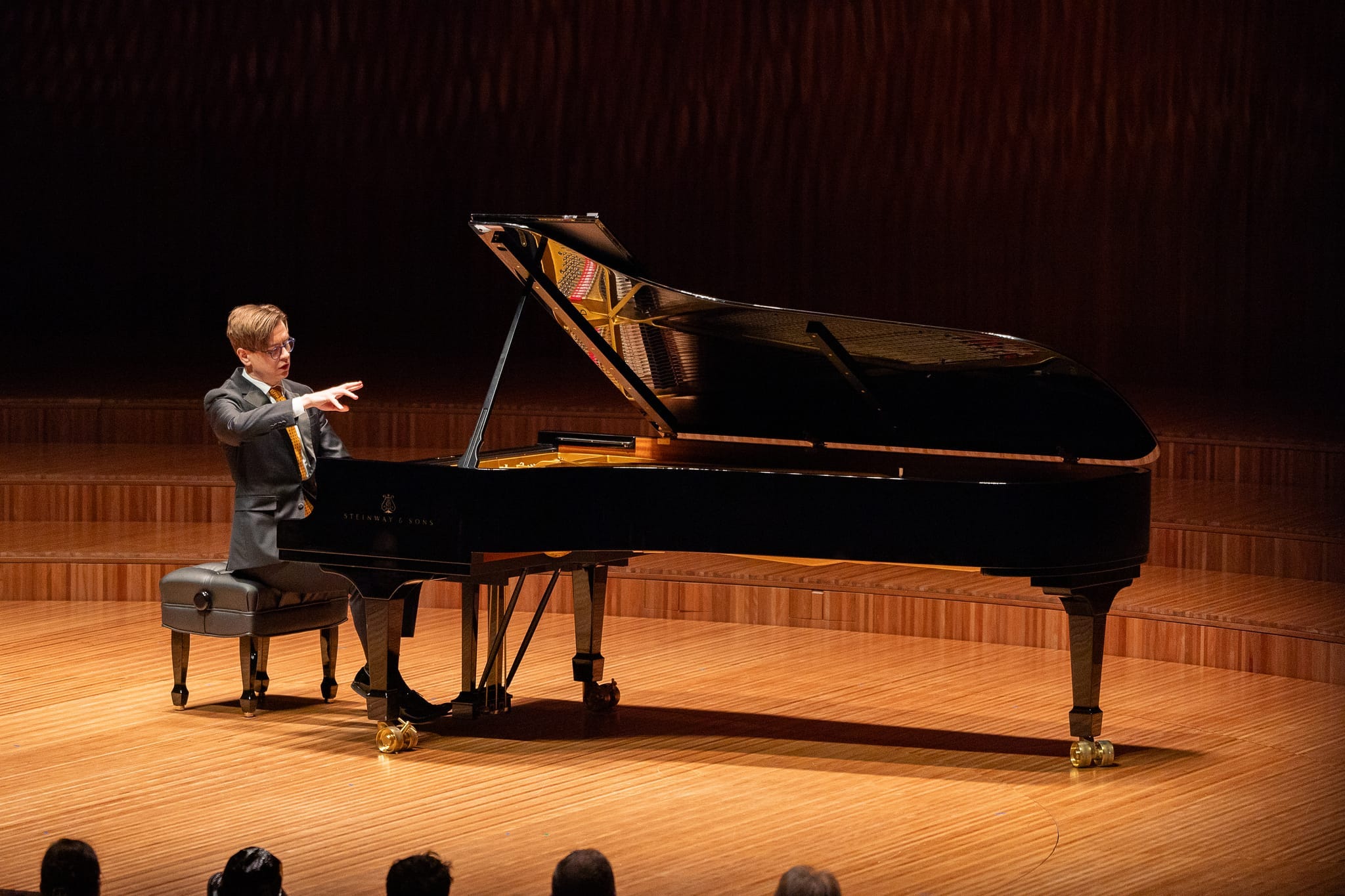
Víkingur Ólafsson is classical music’s stealth revolutionary. The Reykjavik native, with his signature all-black ensembles and penchant for Philip Glass, has turned albums like Mozart & Contemporaries (2021) into unlikely streaming hits. His secret? Treating Mozart like ambient art—hypnotic, intimate, and stripped of pretension.

Why He Matters:

  • Icelandic Aesthetic: His playing mirrors his homeland’s landscapes: stark, luminous, and quietly volcanic.

  • Tech Savvy: His Apple Music playlists pair Bach with Björk, demystifying classical for newcomers.

Quotable: “I want the piano to sound like it’s breathing.”


The Encore: Honorable Mentions

  • Khatia Buniatishvili: Georgia’s “Beyoncé of the Piano,” merging Liszt with leather catsuits.

  • Igor Levit: The activist-pianist livestreaming Beethoven to protest authoritarianism.

  • Joey Alexander: The 20-year-old Bali prodigy redefining jazz’s future.


Inspired by the genius of Yuja Wang, Lang Lang, or Hiromi Uehara? You don’t need years of conservatory training to start playing the piano.

Get started on your piano learning journey today with Pianoforall. For a limited time, get exclusive discount when you sign up today!

The Keys to Tomorrow

These seven artists prove that the piano is not a relic but a mirror—reflecting our anxieties, joys, and endless capacity for reinvention. Whether through Lang Lang’s populist charm or Hiromi’s joyful chaos, they remind us that greatness lies not in perfection, but in the courage to play as if no one is listening—even when the world is watching.

What’s Next: Catch Yuja Wang at the Hollywood Bowl this August, or stream Víkingur Ólafsson’s Glass Piano (2023) for a midnight reverie. The ivory keys, it seems, are just getting started.


source https://danhon.substack.com/p/best-piano-players-in-the-world

Wednesday, January 29, 2025

Play Like a Time Traveler: How 19th-century practice methods crush modern apps

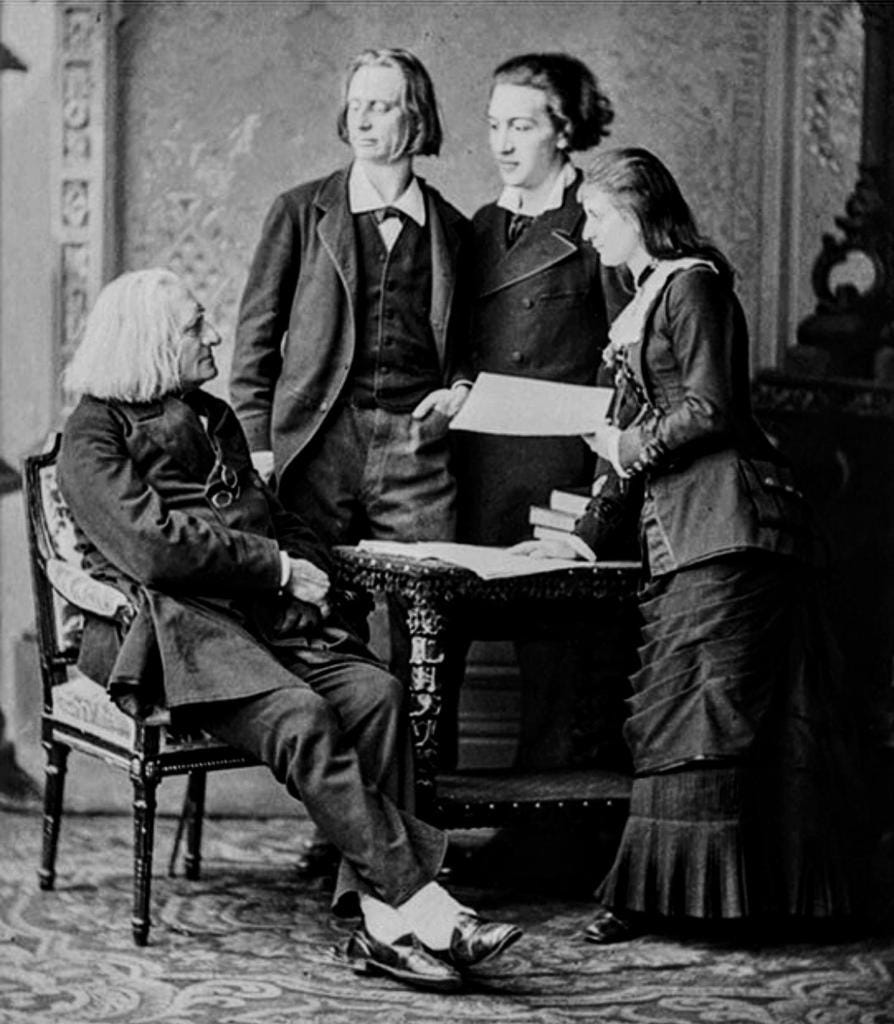
image of Franz Liszt with his students, teaching them.
Franz Liszt with his students.

A few years ago, I found a dusty 19th-century practice journal in a used bookshop. The owner? A student of Franz Liszt. Its first entry read: “6 AM: Scales. 8 AM: Arpeggios. Noon: Weeping. 3 PM: More scales.”

Intrigued (and slightly terrified), I swapped my sleek piano app for this relic. No gamified rewards. No “Great job!” pop-ups. Just me, a metronome from the last century (a literal swinging pendulum), and the haunting specter of Liszt’s work ethic.

Spoiler: I lasted 7 days. But what I learned blew my mind—and my calluses.


The 19th-Century Grind: No Apps, No Mercy

Forget “10 minutes a day!” 19th-century virtuosos treated practice like boot camp:

  • Drill Sergeant Discipline:
    Liszt practiced 12 hours daily. Clara Schumann’s dad made her play in the dark to memorize pieces. No screens. No shortcuts. No mercy.

  • The “Play It 100x” Rule:
    One Chopin pupil’s diary: “Played Étude Op. 10 No. 1 forty times today. Still sounds like a dying cat.”

  • Focus > Fluff:
    Apps bombard you with sheet music, tutorials, and “relaxing playlists.” The 1800s? You got a single étude and a teacher who’d slap your wrist for rushing.

Why it worked: Repetition forged muscle memory so deep, you could play blindfolded in a hurricane.


The Dark Side: Why Most of Us Would Crumble

Let’s be real—these methods were brutal:

  • No Feedback, Just Shame:
    Miss a note? Your teacher sighed, “Perhaps knitting would suit you.” No app to gently say, “Try again!”

  • Injury Central:
    Robert Schumann ruined his hand with a finger-strengthening device. (Spoiler: The 1800s had no OSHA.)

  • Exclusive AF:
    Lessons were for the rich. Everyone else? Good luck deciphering Beethoven’s handwriting.


Why Modern Apps Feel Like Candy Crush

Compare this to today’s piano apps:

  • Gamified Gimmicks:
    Unlock “achievements” for playing Hot Cross Buns. Liszt would’ve rolled in his grave.

  • Instant Gratification:
    Apps promise “Fur Elise in 5 days!” The 19th century? “Come back in 5 years, maybe you’ll play the intro.”

  • Feedback Bots:
    “Nice timing!” says an algorithm. But does it notice your stiff wrists? Nope.

The irony: Apps make learning easier, but mastery harder.


Hybrid Time Travel: Steal the Best of Both Eras

After my week of time-travel torture, I blended old and new:

  • “Liszt Drills” Meets “App Rewards”:
    Morning: 30 minutes of no-score, no-distraction scales (à la 1850). Evening: Learn jazz chords via app.

  • Analog Accountability:
    Bought a paper practice journal. Turns out, writing “I sucked at trills today” hits harder than a digital streak.

  • Tech for Rescue, Not Crutch:
    Used apps to check my rhythm, not replace my ears.

Result: My Bach prelude improved more in a month than in a year of app-only grinding.


Should You Try Time-Travel Practicing?

Depends:

  • Do it if: You’re stuck in a rut, crave deeper focus, or own a high pain tolerance.

  • Skip it if: You’re a casual player or value your sanity.

My take: 19th-century methods are like espresso shots—intense, effective, but not sustainable daily. Use them sparingly to level up.


Epilogue: What Happened to the Diary?

I returned it to the shop. The owner asked, “Learn anything?”

“Yeah,” I said. “Liszt was a masochist… but also kinda genius.”

She smirked. “Come back when you’re ready for Beethoven’s practice routine.”

(I fled.)


source https://danhon.substack.com/p/play-like-a-time-traveler

Sunday, November 3, 2024

How Technology is Shaping the Future of Piano Music

The world of piano music has always been a space of innovation and tradition coexisting in harmony. From the early days of the fortepiano to the grand concert pianos of today, each iteration has sought to enhance the expressiveness, durability, and accessibility of this beloved instrument.

Now, as we stand on the brink of a new era, technology is radically redefining how we create, learn, and experience piano music. This post explores the cutting-edge developments in technology that are transforming piano music and offering fresh possibilities for musicians and enthusiasts alike.

Digital Pianos and Virtual Instruments

One of the most significant technological advancements in recent years is the digital piano. Unlike traditional acoustic pianos, digital pianos require no tuning and are far more portable, making them an attractive option for casual players and professionals who need flexibility.

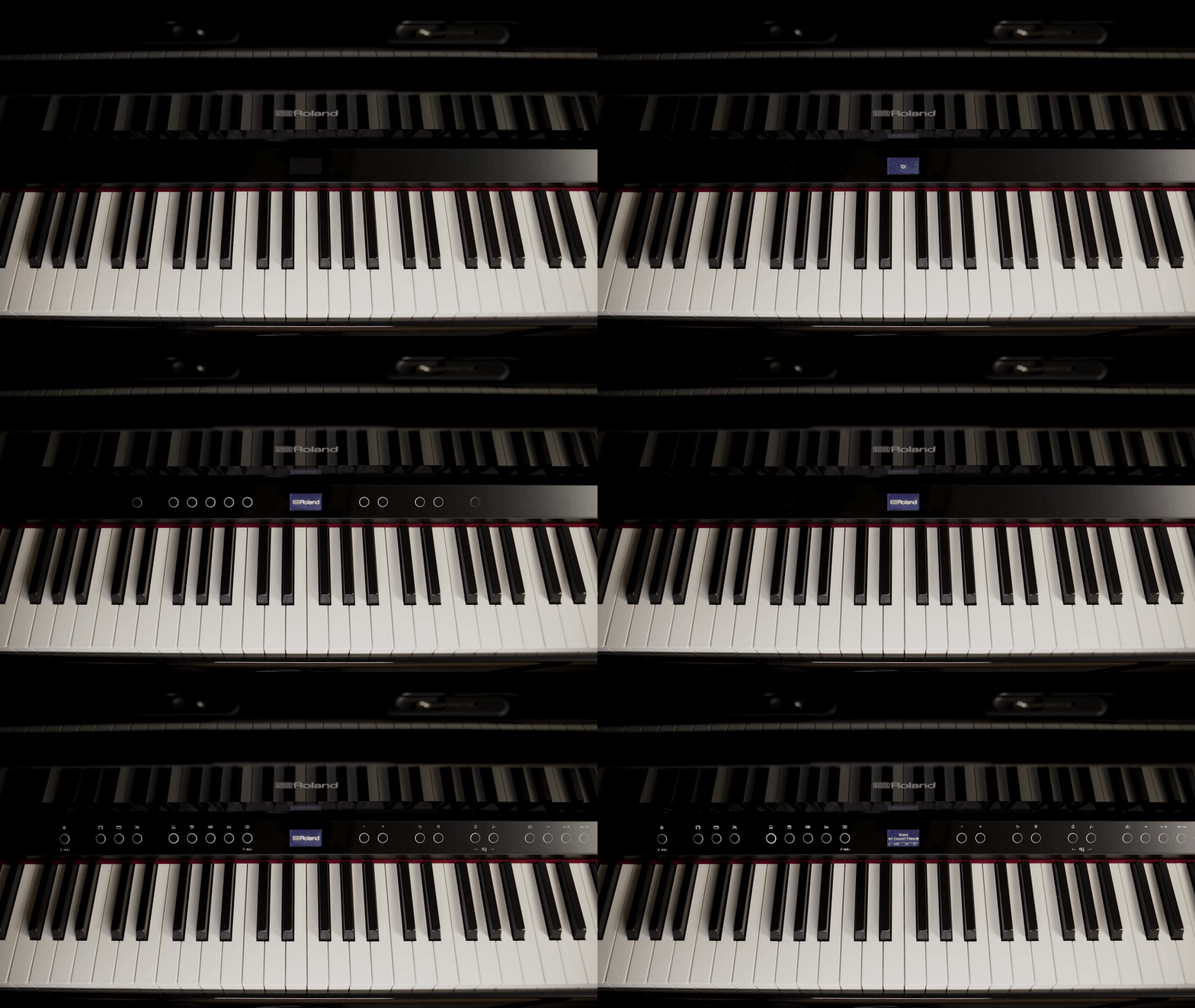
Roland's New Digital Piano
Credits: Roland.com

But beyond these conveniences, digital pianos harness sophisticated sound sampling technologies to replicate the rich timbre of acoustic instruments with remarkable authenticity.

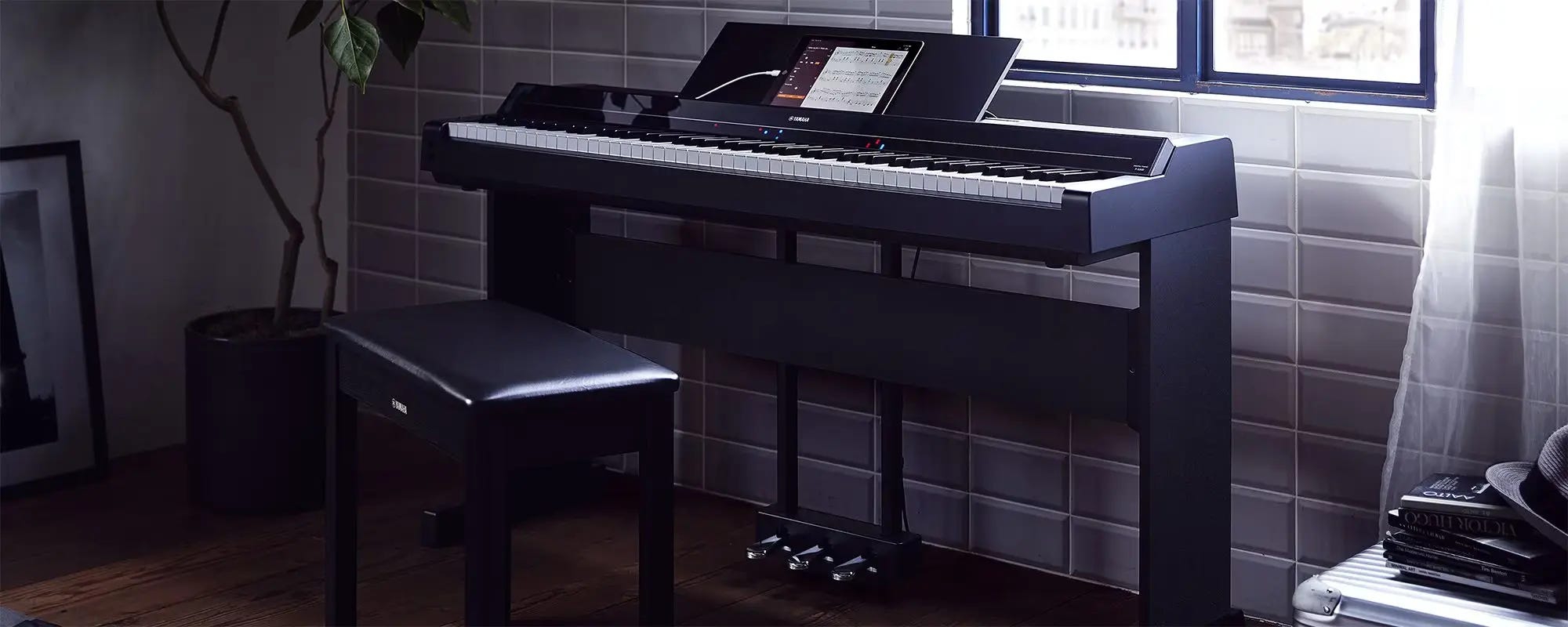
Brands such as Yamaha, Roland, and Nord have crafted digital pianos with complex modeling algorithms that simulate every nuance of a grand piano’s sound. These innovations allow musicians to experience the dynamic range and acoustic presence of high-end pianos without the prohibitive cost or space requirements.

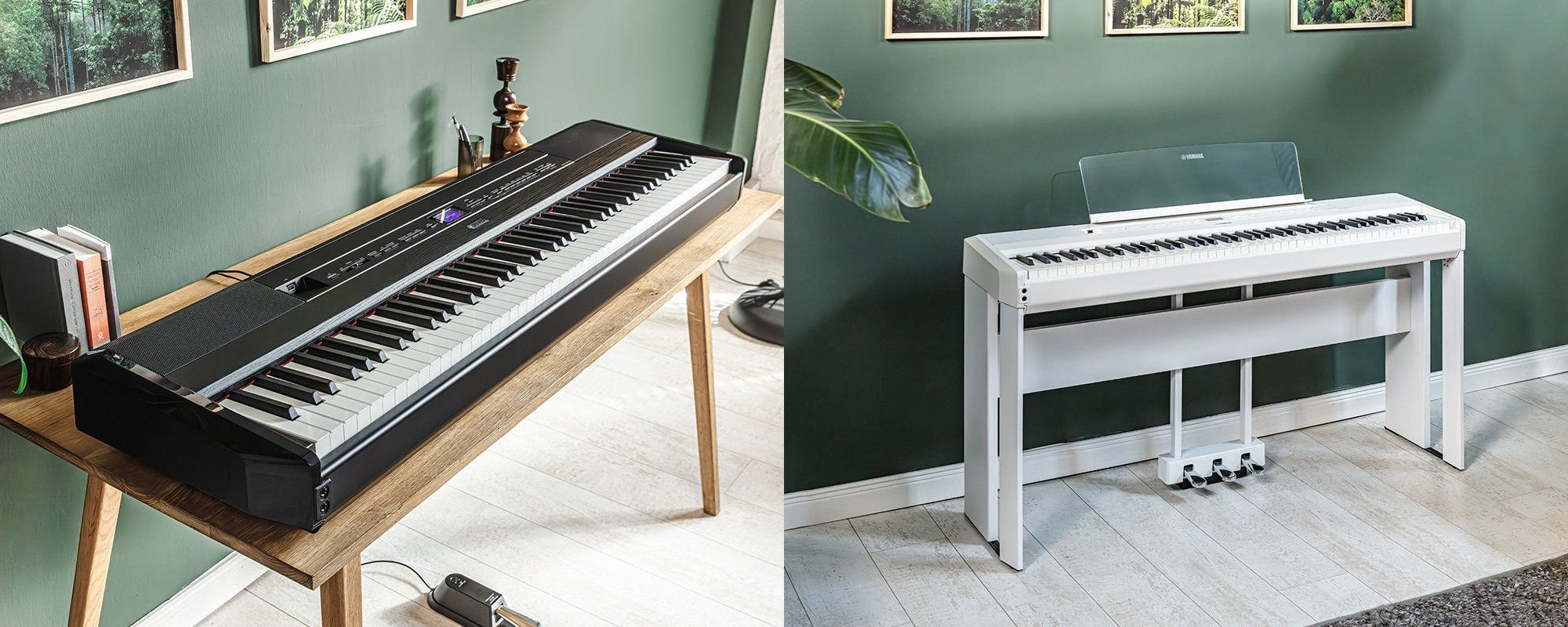
Left: The P-525B on a desk. Right: The P-525WH on an optional stand with three-pedal unit
Credits: Yamaha.com

In addition to standalone digital pianos, software-based virtual instruments are gaining popularity. These allow musicians to access an extensive library of high-quality piano sounds directly from their computers, offering unprecedented flexibility for composers and producers working in digital audio workstations (DAWs).

The Rise of Smart Pianos

Smart piano technology is also revolutionizing how people learn and interact with music. These innovative instruments come equipped with sensors, interactive screens, and connectivity features that facilitate self-directed learning.

Yamaha P-S500 Smart Piano
Credits: Yamaha.com

Smart pianos can guide beginners through lessons, track their progress, and provide real-time feedback on their playing technique.

Apps such as Simply Piano and Flowkey offer interactive sheet music and tutorials, allowing users to learn at their own pace. These platforms can connect directly to digital pianos, creating a seamless learning experience that adapts to individual needs and preferences.

The integration of artificial intelligence further personalizes learning, offering tailored exercises and piece recommendations based on a user’s skill level and interests.

Augmented Reality and Virtual Reality

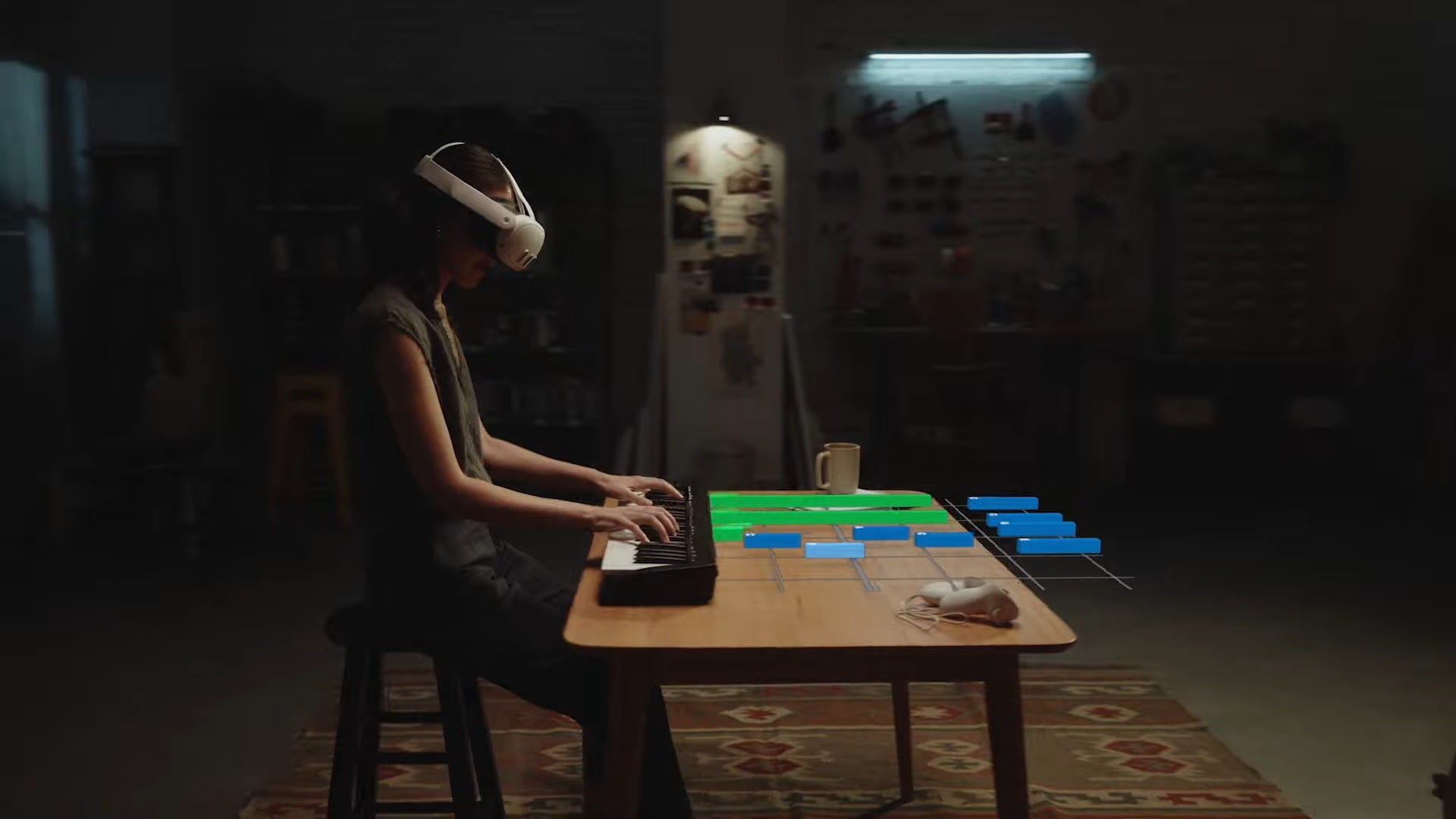
Augmented Reality (AR) and Virtual Reality (VR) are poised to offer even more interactive and immersive experiences for piano learners and performers. AR apps can superimpose virtual elements, such as animated sheet music or instructional visuals, onto the physical world.

PianoVision Quest 3 AR Piano
Pianovision on Quest 3

This capability can help learners visualize chord shapes, finger positions, and musical structures in real time, enhancing their comprehension and retention.

VR, on the other hand, opens up exciting possibilities for pianists to perform in virtual concert halls without leaving their homes. These digital environments can provide realistic acoustics and audience simulations, allowing musicians to practice performance skills and experiment with different stages and settings.

For audiences, VR can offer immersive concert experiences that bring them up close with performers, regardless of where they are physically located.

AI and Machine Learning in Composition and Performance

Artificial Intelligence (AI) and machine learning are rapidly being adopted in the field of music composition and performance. AI algorithms can analyze vast amounts of music data, identifying patterns and structures that inspire new compositions.

Tools like OpenAI’s MuseNet or AIVA (Artificial Intelligence Virtual Artist) use machine learning to create original music, offering composers a collaborative partner in the creative process.

In performance, AI can assist pianists by providing real-time accompaniment, adapting to the musician’s tempo and style, or offering dynamic analyses of performance techniques for educational purposes.

This technology holds the potential to democratize music creation, enabling composers and performers of all skill levels to explore complex compositions with greater ease.

Online Communities and Collaboration

The connectivity facilitated by the internet has also reshaped how pianists collaborate and share their work. Online platforms and social media allow musicians to connect with audiences and other musicians worldwide, breaking down geographic barriers and fostering creative exchange.

Websites like SoundCloud, YouTube, Instagram and TikTok serve as platforms for sharing performances, tutorials, and compositions, enabling musicians to build audiences and cultivate communities.

Live streaming has gained popularity, allowing pianists to broadcast performances in real-time to global audiences, making concerts accessible to those who might not have the opportunity to attend in person.

Online collaborations have also become more prevalent, with musicians collaborating across borders and time zones, creating music collectively through digital means.

Sustainability and Accessibility

Technology is also contributing to sustainability and accessibility in the piano music world. Digital pianos consume less energy and require fewer resources than acoustic pianos, mitigate certain environmental impacts, and improve the instrument’s availability to a broader audience.

Additionally, digital and smart pianos can accommodate a range of accessibility needs, enabling visually or hearing-impaired individuals to engage with music more effectively through adaptive interfaces and applications.

Moreover, e-learning platforms democratize music education, making lessons accessible to people who may not have access to traditional piano teachers. This technological access helps nurture talent across diverse demographics, diversifying and enriching the global piano music community.

Embracing the Future

As technology continues to evolve, the landscape of piano music will likely become even more dynamic and innovative. While traditional aspects of the instrument remain cherished, these technological advancements present new pathways for creativity, performance, and learning that complement and enhance the time-honored art form of piano music.

By embracing these technologies, musicians and educators can explore uncharted territories of sound and expression while retaining the emotive core that makes piano music so beloved.

As we forge ahead, technology will undoubtedly play an integral role in shaping the future of piano music, continuing its rich legacy of innovation and artistic growth.


source https://danhon.substack.com/p/how-technology-is-shaping-the-future-of-piano

Thursday, July 4, 2024

Piano Pedals: A Beginner's Guide (2024)

As a pianist, I've always considered the piano pedals an extension of my musical expression. They're not just footrests; they're tools that transform the piano from a percussive instrument into a lyrical voice capable of breathtaking depth and nuance.

Yet, for beginners, these three unassuming pedals can seem like a daunting mystery.

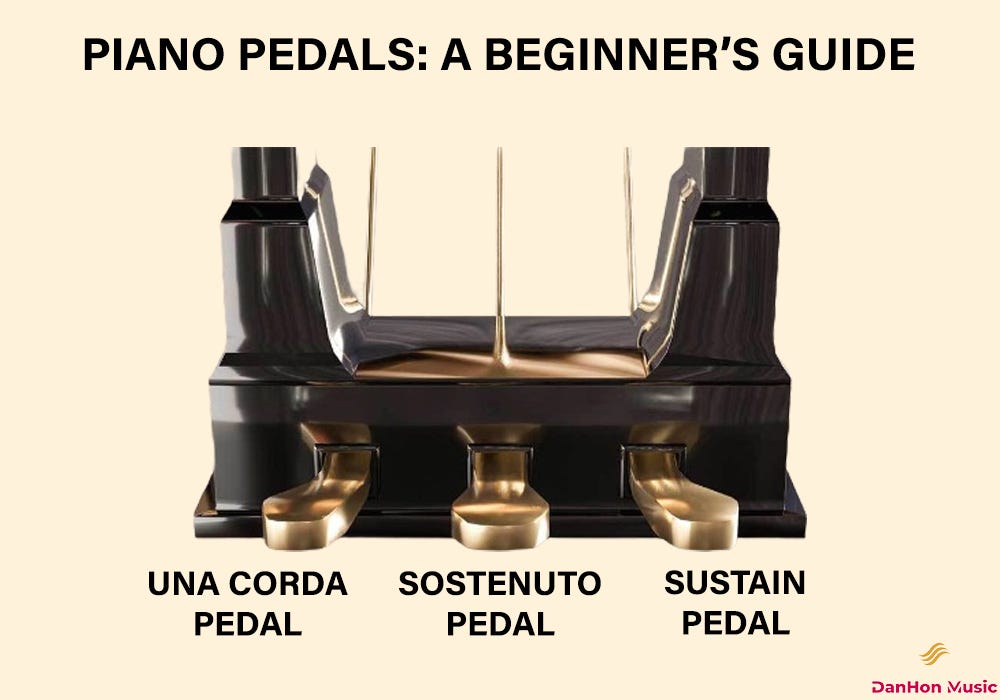
Piano pedals are like special buttons under the piano that you can press with your feet. They help change the way the piano sounds in different ways. The three main pedals are:

  1. The sustain pedal (also called the damper pedal) - This pedal makes the piano notes last longer and sound fuller.

  2. The sostenuto pedal - This pedal lets you hold some notes while you play other notes without them getting mixed together.

  3. The una corda (soft) pedal - This pedal makes the piano sound more quiet and gentle.

Understanding how to use these pedals is really important for beginners to learn, because it helps you make the piano sound more expressive and musical. In this guide, we'll go over each pedal in detail and give you tips on how to use them properly.

The Sustain Pedal (Damper Pedal)

The Sustain Pedal - Damper Pedal
The Sustain Pedal

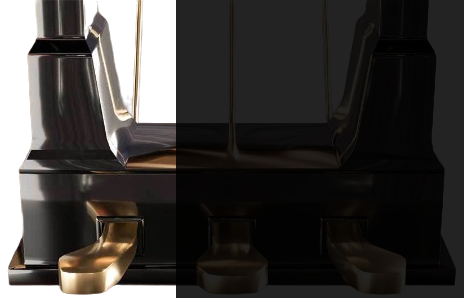
Often referred to as the "soul of the piano," the sustain pedal (or damper pedal) is the rightmost pedal and, arguably, the most important for expressive playing.

How it Works

When you press a piano key, a felt-covered hammer strikes the corresponding strings, creating sound. As soon as you release the key, a damper falls back onto the strings, stopping their vibrations and ending the sound.

The sustain pedal, however, lifts all the dampers simultaneously, allowing the strings to continue vibrating even after you've released the keys. This creates a beautiful, resonant effect that can add depth, richness, and emotional resonance to your music.

Proper Technique

  • Timing is Key: The most common technique is legato pedaling, where you press the pedal down just after you strike a note (or chord) and release it before the next note. This allows the notes to connect smoothly without muddying the sound.

  • Half-Pedaling: Partially depressing the sustain pedal allows the dampers to lightly touch the strings, creating a subtle sustain effect. This technique is often used for delicate passages or to add a touch of warmth to the sound.

  • Syncopated Pedaling: Experiment with releasing the pedal slightly before the beat for a rhythmic effect that adds a bit of bounce to your playing.

Common Mistakes to Avoid

  • Holding the Pedal Too Long: This can create a muddy, cluttered sound, especially in faster passages.

  • Not Using the Pedal at All: While some pieces don't call for the sustain pedal, avoiding it altogether can make your playing sound dry and disconnected.

  • Stomping on the Pedal: The sustain pedal is not a light switch. Press and release it smoothly for a more controlled and expressive sound.

The Sustain Pedal as a Creative Tool

The sustain pedal is not just for sustaining notes. It can also be used to:

  • Blend Chords: Create a lush, atmospheric effect by overlapping chords.

  • Enhance Resonance: Bring out the natural overtones of the piano and create a richer sound.

  • Create a Sense of Movement: Use the pedal to propel the music forward and create a feeling of momentum.

With practice and experimentation, the sustain pedal can become your most valuable tool for expressive piano playing. It allows you to connect notes, create atmosphere, and add emotional depth to your music.

Don't be afraid to play around and discover the endless possibilities this simple mechanism offers.

The Sostenuto Pedal

Sostenuto Pedal
The Sostenuto Pedal

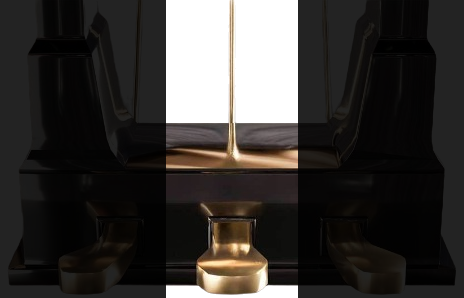
Often the most misunderstood of the three, the sostenuto pedal (the middle pedal on most pianos) is like the sustain pedal's more discerning sibling.

How it Works

Unlike the sustain pedal, which lifts all the dampers, the sostenuto pedal only sustains notes that are already being held down when the pedal is depressed.

Any subsequent notes you play will not be affected. It's a bit like having multiple sustain pedals for specific notes.

When It's Useful

  • Holding Bass Notes: In certain pieces, you might want to sustain a low bass note while playing a melody above it. The sostenuto pedal allows you to do this without blurring the melody with excessive resonance.

  • Creating Special Effects: Some composers, particularly those in the 20th and 21st centuries, specifically write music that utilizes the unique capabilities of the sostenuto pedal.

  • Playing Organ Transcriptions: Since organs have a natural sustain, the sostenuto can help simulate that effect on the piano.

Tips for Using the Sostenuto Pedal

  • Practice Makes Perfect: The sostenuto pedal takes some getting used to. Start by practicing simple exercises where you hold down a bass note with the sostenuto pedal while playing other notes with your right hand.

  • Experiment: Don't be afraid to try different combinations of notes and pedals to see what sounds you can create. The sostenuto pedal can open up a world of sonic possibilities.

  • Study the Score: Look for markings in the sheet music that indicate when to use the sostenuto pedal. Composers often use special symbols or text to guide your pedaling choices.

Important Note: Not all pianos have a sostenuto pedal. It's more common on grand pianos than uprights, and some older instruments may not have it at all. If your piano lacks a sostenuto pedal, don't worry. You can still achieve many of the same effects with creative use of the sustain and una corda pedals.

The Una Corda (Soft) Pedal

Una Corda Pedal
The Una Corda (Soft) Pedal

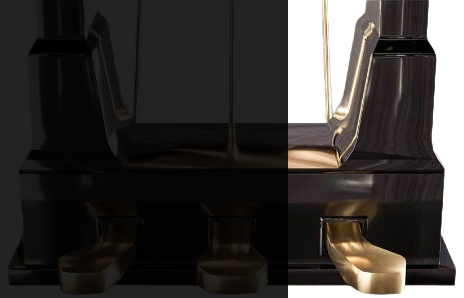
Often called the "soft pedal," the una corda pedal (far left) is your tool for creating a softer, more intimate sound.

But it's not just about volume; it can also subtly shift the piano's timbre, adding a new dimension to your expressive range.

How it Works

On a grand piano, pressing the una corda pedal shifts the entire keyboard and action slightly to the right. This causes the hammers to strike fewer strings per note (two instead of three), resulting in a quieter, more delicate sound.

On upright pianos, the mechanism is slightly different, but the effect is similar: a softer, less resonant tone.

Expressive Possibilities

  • Subtle Dynamics: Use the una corda pedal to play softly without sacrificing clarity or articulation. It's perfect for delicate passages, pianissimo sections, or creating a sense of intimacy.

  • Tonal Variation: The una corda pedal doesn't just change the volume; it also alters the timbre. The resulting sound is often described as more muted, mellow, or veiled, with a slightly different harmonic character.

  • Layering Textures: Combine the una corda pedal with the sustain pedal to create layered textures and add depth to your playing. For example, you could play a melody with the una corda pedal and accompany it with sustained chords using the sustain pedal.

Tips for Using the Una Corda Pedal

  • Gradual Release: When releasing the una corda pedal, do it gradually to avoid a sudden change in volume. This creates a smoother transition and a more nuanced sound.

  • Experiment with Combinations: Try using the una corda pedal in conjunction with the sustain and sostenuto pedals to discover new and exciting sonic possibilities.

  • Respect the Composer's Intentions: While it's tempting to use the una corda pedal whenever you want a softer sound, be mindful of the composer's markings. Some pieces may not be intended to be played with the una corda pedal, while others may specifically call for it.

The una corda pedal is a versatile tool that can significantly expand your expressive palette as a pianist. By mastering its subtle nuances, you can unlock new levels of musicality and bring a unique touch to your performances.

Pedal Coordination and Technique

Mastering piano pedals isn't just about knowing what each one does; it's about seamlessly integrating their use into your playing.

Think of it as a graceful dance between your feet and fingers, where each movement is purposeful and expressive.

Developing Pedal Coordination

  • Start Slowly: Begin by practicing simple exercises that focus on one pedal at a time. Once you're comfortable with each pedal individually, gradually start combining them.

  • Listen Carefully: Pay close attention to how the pedals affect the sound of your playing. Experiment with different timings and depths of pedal depression to discover the nuances of each pedal.

  • Use a Metronome: Practicing with a metronome can help you develop a sense of timing and rhythm in your pedaling.

  • Study Sheet Music: Look for pedal markings in the music you're playing. These markings often indicate when to change pedals or use specific techniques like half-pedaling.

Exercises and Drills

  • Legato Scales: Play scales with smooth, connected notes, using the sustain pedal to create a legato effect. Practice different pedaling techniques, such as legato pedaling, syncopated pedaling, and half-pedaling.

  • Chord Progressions: Play simple chord progressions with different pedal patterns. Experiment with holding the pedal down for different lengths of time and changing pedals at different points in the progression.

  • Arpeggios: Practice arpeggios (broken chords) with the sustain pedal, paying attention to how the pedal affects the sound of the individual notes.

Integrating Pedal Use into Your Practice

  • Don't Neglect the Pedals: Many beginners focus solely on finger technique and neglect pedal practice. Make sure to dedicate time to practicing pedal coordination alongside your other piano exercises.

  • Record Yourself: Recording your playing (both with and without pedals) can help you identify areas where your pedal technique needs improvement.

  • Seek Guidance: If you're struggling with pedal coordination, don't hesitate to seek guidance from a piano teacher or experienced pianist. They can offer valuable feedback and personalized instruction.

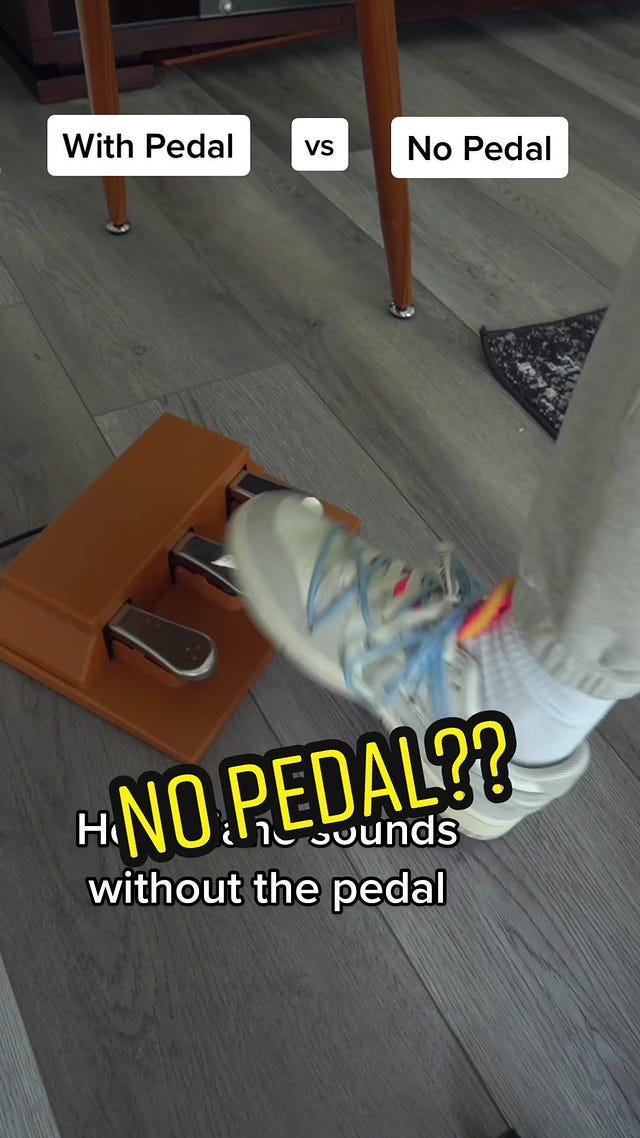
Tiktok failed to load.

Enable 3rd party cookies or use another browser

Remember, mastering pedal technique takes time and patience. Don't get discouraged if you don't see results immediately.

With consistent practice and a willingness to experiment, you'll soon be able to use the pedals as an expressive tool to enhance your musicality and bring your piano playing to life.

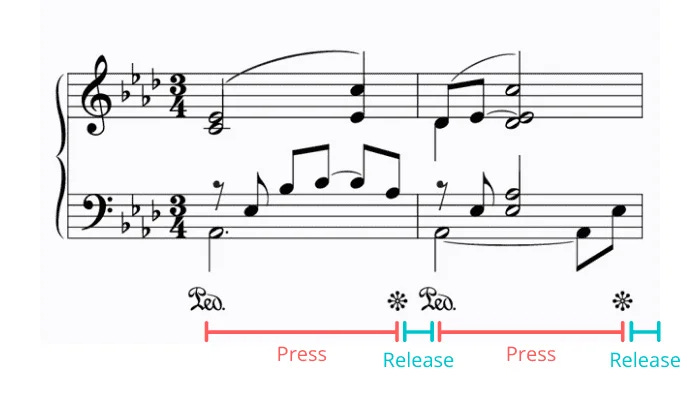
How to Read Pedal Notation

While the physical act of pressing and releasing pedals is straightforward, interpreting pedal markings in sheet music can be a bit more nuanced.

Composers use a variety of symbols and abbreviations to guide your pedal use, creating a roadmap for expressive playing.

Common Pedal Markings

  • Ped. or a Bracket: This indicates when to press the sustain pedal down.

  • Asterisk (*): This symbol tells you when to release the sustain pedal.

  • Horizontal Line Below the Staff: A continuous line represents holding the pedal down, while a break in the line indicates releasing and quickly re-pressing the pedal (often called "flutter pedaling" or "half-pedaling").

  • V-Shaped Markings: These can indicate either pressing or releasing the pedal, depending on the context and composer. Look for clues in the music to determine the intended action.

  • "una corda" and "tre corda": These Italian terms indicate when to use and release the una corda (soft) pedal. "Una corda" means "one string" (pedal down), while "tre corda" means "three strings" (pedal up).

  • "Sost. Ped.": This abbreviation indicates when to use and release the sostenuto pedal.

Tips for Interpreting Pedal Markings

  • Consider the Style and Period: Pedal markings can vary depending on the composer and the style of music. Romantic composers, for example, often used more pedaling than Classical composers.

  • Use Your Ears: While pedal markings are helpful, ultimately the best guide is your ear. Listen to recordings and try different pedaling techniques to find what sounds best.

  • Ask for Help: If you're unsure about a particular pedal marking, don't hesitate to ask your piano teacher or a more experienced pianist for guidance.

Remember, pedal markings are suggestions, not strict rules. Feel free to experiment and use your musical intuition to find what works best for each piece you play.

With practice and experience, you'll develop your own unique pedaling style that enhances your expressive abilities and brings your music to life.

The Pedals: A Symphony at Your Feet

In the grand symphony of piano playing, the pedals are your orchestra. They allow you to shape the sound, create atmosphere, and evoke a wide range of emotions.

As a beginner, mastering these three simple mechanisms may seem daunting, but remember, even the most accomplished pianists started with the same challenges.

Embrace the process of learning to use the sustain, sostenuto, and una corda pedals. Experiment, explore, and don't be afraid to make mistakes.

With time and practice, you'll develop a deep understanding of how these pedals work and how to use them to express your unique musical voice.

Whether you're playing a gentle Bach prelude or a fiery Chopin polonaise, the pedals will become your allies, adding depth, nuance, and soul to your performances. So, don't let those footrests go to waste.

Remember, the piano is not just an instrument; it's an extension of your creativity.


source https://danhon.substack.com/p/piano-pedals

DanHonMusic

7 Best Piano Players in the World Today: A Symphony of Genius Across Genres

In an age where streaming algorithms dictate our playlists and viral moments fade faster than a pianissimo, the piano endures as a timeless ...